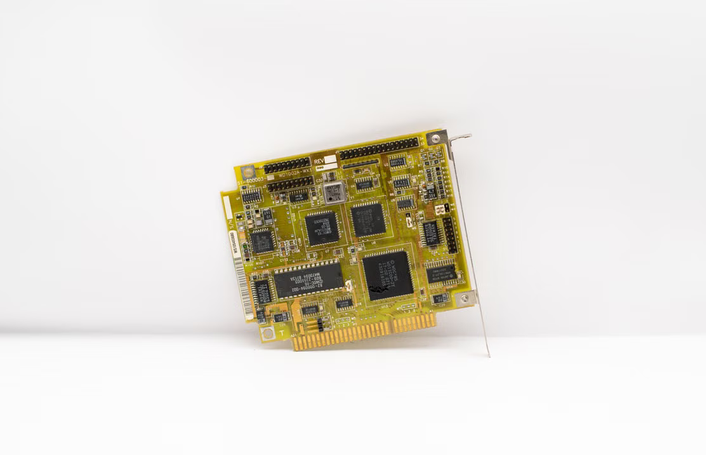
Modern electronics are becoming smaller while handling more power. Phones, computers, vehicles, industrial controls, and communication equipment all generate heat during operation. If that heat stays trapped, components can slow down, age faster, or fail. Thermal pads provide a practical way to move heat away from hot parts and toward surfaces that can release it. Their soft, adaptable structure also helps them work where rigid thermal materials may not fit well. Also, thermal pad selection criteria can help designers choose materials that match the device’s thermal, physical, and electrical requirements. Understanding how thermal pads function explains why they have become an important part of modern electronic design.
Transferring Heat Through Small Gaps
Thermal pads create a thermal bridge between a heat-producing component and a cooler surface. These surfaces are rarely perfectly flat. Tiny gaps, air pockets, and uneven areas can limit direct contact. Air is a poor conductor of heat, so these gaps can become barriers. A thermal pad fills those spaces and creates a continuous path for heat to travel. Heat can move from a processor, memory chip, power module, or other component into a heat spreader, chassis, or heatsink. This simple connection can make the cooling system more effective without requiring major changes to the circuit layout.
Fitting Around Electronic Components
One useful feature of thermal pads is their flexibility. They can compress when installed between surfaces with different heights or shapes. This matters in compact electronics where components may sit at different levels. Designers can choose pads with different thicknesses, hardness levels, and thermal conductivity ratings. The right combination allows a pad to make reliable contact without placing excessive pressure on delicate parts. Some materials can also conform around small surface irregularities. This makes them useful for devices with crowded internal layouts.
Supporting Stable Device Performance
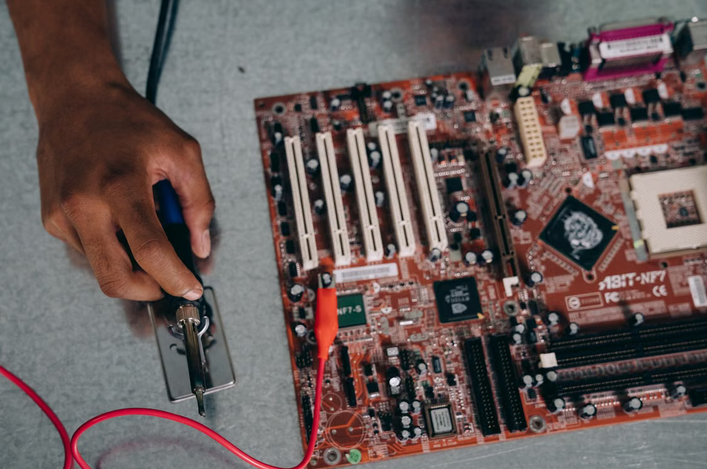
Good heat management does more than protect components from obvious overheating. Temperature can affect how electronic parts perform. Excessive heat may cause processors to reduce their operating speed, batteries to degrade faster, and power components to work under greater stress. By helping transfer heat away from critical areas, thermal pads support more stable operating conditions. They are especially useful in systems that run for long periods or handle demanding workloads. A well-designed thermal path can help reduce temperature spikes and keep performance more consistent during normal use.
Improving Reliability Over Time
Heat is closely linked to the long-term reliability of electronic hardware. Repeated heating and cooling can place stress on materials, solder joints, and component connections. High temperatures can also speed up aging within certain parts. Thermal pads help manage this stress by moving heat toward areas designed to dissipate it. They do not remove heat by themselves, but they improve the connection between the heat source and the cooling structure. This distinction is important. Effective thermal management depends on the entire system, including airflow, heatsinks, enclosures, and power demands.
Choosing the Right Pad Material
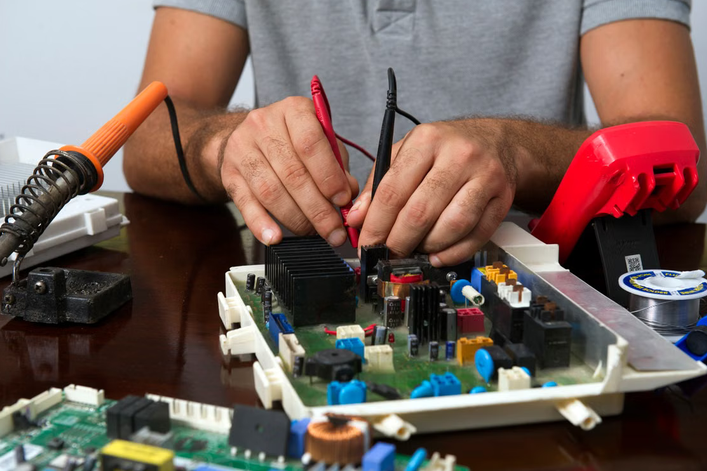
Not every thermal pad suits every electronic application. Engineers consider thermal conductivity, thickness, compressibility, electrical insulation, operating temperature, and long-term stability. A pad with high conductivity may not be the best choice if its thickness or mechanical properties do not match the design. The contact surfaces also matter. A pad must maintain enough contact to create an effective thermal path. If it is too thick, it may compress unevenly or reduce mechanical stability. If it is too thin, it may fail to fill the gap properly. Careful material selection therefore plays a major role in achieving dependable heat transfer. They are also useful when a design needs electrical separation between a component and a metal cooling surface. Many thermal pads provide insulation while still allowing heat to pass through them. This can simplify assembly and reduce the need for separate insulating layers. In manufacturing, consistency matters as well. Pads can be cut to defined shapes and placed during assembly with repeatable results. Their form factor makes them practical for products produced in large quantities, where predictable contact and straightforward installation can help control quality. Proper surface preparation and correct compression also matter because poor installation can reduce their thermal value. During final assembly.
Thermal pads are now found across many types of electronics. They can support cooling in graphics hardware, laptops, networking equipment, LED systems, automotive electronics, battery packs, and industrial devices. Their simple installation and ability to bridge uneven surfaces make them valuable for both compact products and larger assemblies. As electronic systems continue to become smaller and more powerful, heat management will remain a key design concern. Thermal pads offer a straightforward method for improving heat transfer where direct contact is not practical. When selected and installed correctly, they help cooling structures work more effectively and support dependable device operation.